High Precision Die Cutter All‑in‑One – Manufacturers, Suppliers & Exporters Buying Guide
High Precision Die Cutter All‑in‑One Manufacturers, Suppliers and Exporters Buying Guide
This in‑depth guide explains everything buyers need to know about
high precision die cutter all‑in‑one machines: definitions, technologies,
components, specifications, pricing, quality standards, and how to compare global
manufacturers, suppliers and exporters. It is written for factories, printing
houses, converters, packaging plants and industrial buyers who require
high accuracy, high speed and integrated die cutting solutions.
Table of Contents
- what-is-high-precision-die-cutter-all-in-one">What Is a High Precision Die Cutter All‑in‑One?
- key-features-and-advantages">Key Features and Advantages
- typical-applications-and-industries">Typical Applications and Industries
- core-technologies-and-cutting-modes">Core Technologies and Cutting Modes
- main-components-and-configurations">Main Components and Configurations
- technical-specifications-comparison-tables">Technical Specifications Comparison Tables
- quality-standards-and-certifications">Quality Standards and Certifications
- how-to-choose-manufacturers-suppliers-exporters">How to Choose Manufacturers, Suppliers and Exporters
- pricing-factors-and-total-cost-of-ownership">Pricing Factors and Total Cost of Ownership
- installation-commissioning-and-training">Installation, Commissioning and Training
- maintenance-spare-parts-and-service">Maintenance, Spare Parts and Service
- tips-for-international-sourcing-and-export-trade">Tips for International Sourcing and Export Trade
- faq-high-precision-die-cutter-all-in-one">FAQ: High Precision Die Cutter All‑in‑One
1. What Is a High Precision Die Cutter All‑in‑One?
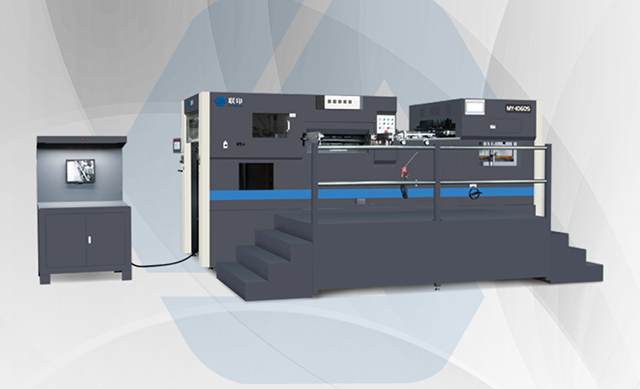
A high precision die cutter all‑in‑one is an integrated
die cutting system that combines several converting and finishing processes
into a single automated machine. Instead of using separate devices for cutting, creasing,
perforating, stripping and stacking, an all‑in‑one die cutter performs these operations in
one continuous workflow with micron‑level accuracy.
In the context of industrial manufacturing, a high precision die cutter typically
refers to a machine capable of:
- Cutting complex shapes with tight tolerances (usually ≤ ±0.1 mm).
- Maintaining consistent registration between print and cut lines.
- Handling a range of materials such as paperboard, plastic films, laminates, foams, labels and textiles.
- Operating at medium to high speeds for cost‑efficient mass production.
The term all‑in‑one indicates that the die cutter may integrate:
- Unwinding or sheet feeding modules.
- High precision die cutting (flatbed, rotary, laser or hybrid).
- Creasing, embossing, perforating, and kiss‑cutting functions.
- Automatic waste stripping and edge trimming.
- Stacking, counting, collecting or rewinding units.
- Optional printing, laminating or digital finishing modules.
High precision all‑in‑one die cutters address the demands of
short‑run digital printing, just‑in‑time packaging, and
high‑mix, low‑volume production where flexibility and changeover speed are
critical, while also serving traditional long‑run converting operations.
2. Key Features and Advantages
When evaluating high precision die cutter all‑in‑one solutions from global
manufacturers, suppliers and exporters, buyers should focus on the core features and
benefits that directly influence productivity, quality and cost.
2.1 High Precision and Accuracy
- Registration accuracy down to ±0.05 mm for premium packaging and labels.
- Advanced servo drives and closed‑loop motion control to ensure stable cutting quality.
- Optical registration systems using cameras or sensors to detect fiducial marks.
- Rigid mechanical frames to minimize vibration and thermal expansion.
2.2 All‑in‑One Integration
- Combines die cutting, creasing, perforating, embossing and waste removal in a single line.
- Reduces material handling, floor space and work‑in‑progress inventory.
- Supports inline printing, laminating, foil stamping or coating as optional modules.
- Centralized control system for recipe management and job recall.
2.3 Flexibility and Short Setup Time
- Quick changeover between different dies or cutting tools.
- Digital or laser die cutting options for tool‑less production.
- Compatible with short‑run, customized or variable‑data jobs.
- Modular design to add or remove processing stations as needed.
2.4 High Productivity and Automation
- Automatic feeding, alignment and stacking systems to reduce labor.
- Continuous operation with minimal manual intervention.
- Job scheduling and queuing functions in modern control software.
- Integration with MES/ERP for production tracking and reporting.
2.5 Cost and Waste Reduction
- Optimized nesting to reduce material off‑cuts.
- Stable, repeatable cutting results minimize scrap and rework.
- All‑in‑one workflow reduces energy consumption compared to multiple separate machines.
- Lower tooling costs when using digital or laser die cutting for short runs.
2.6 Safety and Ergonomics
- Comprehensive guards, light curtains and emergency stop systems.
- Intuitive touchscreen HMIs with multilingual support.
- Automatic lifting, loading and unloading to reduce operator fatigue.
3. Typical Applications and Industries
High precision die cutter all‑in‑one machines are used by a wide range of industries that
require accurate conversion of sheet or roll materials into finished, cut‑to‑shape products.
3.1 Packaging and Folding Cartons
- Paperboard cartons for food, beverages, pharmaceuticals and cosmetics.
- High‑value retail packaging requiring fine details and exact fits.
- Micro‑flute and corrugated board for lightweight protective packaging.
3.2 Labels and Stickers
- Pressure‑sensitive labels for consumer goods and logistics.
- Kiss‑cut stickers and decals with intricate outlines.
- Security labels and tamper‑evident seals.
3.3 Electronics and Automotive Components
- Gaskets, insulators and shielding materials cut from films and foams.
- Adhesive tapes and protective films for displays and touch panels.
- Battery separator films and electronic component carriers.
3.4 Medical and Healthcare Products
- Medical adhesive patches and bandages.
- Disposable diagnostic strips and device components.
- Sterile packaging, blister cards and medical labels.
3.5 Textile, Leather and Soft Materials
- Technical textiles for filters, PPE and automotive interiors.
- Leather patches, appliqués and fashion accessories.
- Foam inserts and EVA components for footwear and sports gear.
3.6 Signage, POP and Display
- Point‑of‑purchase displays and advertising stands.
- Foam board, corrugated plastic and rigid sheet cutting.
- Short‑run promotional materials with custom shapes.
4. Core Technologies and Cutting Modes
High precision die cutter all‑in‑one systems from different manufacturers and exporters may
use various cutting technologies. Understanding these technologies helps buyers specify the
correct machine for their product mix.
4.1 Flatbed Die Cutting
Flatbed die cutting uses a flat cutting die pressed against a flat cutting
surface. It is suitable for:
- Thicker materials such as corrugated board, foam and rigid plastics.
- Complex shapes and deep creasing requirements.
- Medium to high volume carton and display production.
4.2 Rotary Die Cutting
Rotary die cutting uses cylindrical dies on rotating drums. It is well suited
for:
- High‑speed production of labels, tapes and thin films.
- Continuous roll‑to‑roll converting operations.
- Applications that need kiss cutting, perforation or scoring on the fly.
4.3 Digital Knife Cutting
Digital knife cutting uses servo‑controlled tools (oscillating knives, drag
knives, creasing wheels) guided by CAD data, eliminating the need for traditional dies.
- Ideal for short runs, prototyping and customization.
- Fast changeover: just load a new digital file.
- Compatible with many materials including paperboard, foam, textiles and plastics.
4.4 Laser Die Cutting
Laser die cutting employs a focused laser beam to cut, score or perforate
material without any physical contact.
- Tool‑less cutting with extremely fine details.
- High flexibility for variable data and on‑the‑fly design changes.
- Particularly attractive for labels, flexible packaging and micro‑perforation.
4.5 Hybrid and All‑in‑One Systems
High precision all‑in‑one die cutters may combine several technologies:
- Flatbed station for creasing and embossing; laser head for contour cutting.
- Rotary die cutting plus digital knife station for prototypes and sampling.
- Inline printing followed by laser finishing for digital label production.
Manufacturers and exporters often offer modular platforms where cutting technologies can be
upgraded or combined as production needs evolve.
5. Main Components and Configurations
Even though designs vary between different high precision die cutter manufacturers and
suppliers, most all‑in‑one systems share similar core components.
5.1 Material Feeding System
- Sheet feeder: Suction head or pile feeder for cardboard, paperboard and sheets.
- Roll unwinder: Shafted or shaftless unwinder for web materials (films, paper, labelstock).
- Alignment and registration: Side and front lays, edge guides or web steering systems.
5.2 Cutting and Creasing Unit
- Die cutting station (flatbed, rotary, digital knife or laser).
- Creasing and scoring tools; male/female or matrix‑based systems.
- Embossing, debossing and foil stamping options for premium effects.
5.3 Waste Stripping and Separation
- Automatic stripping unit removes skeleton waste and small internal cut‑outs.
- Edge trimming and slitting for clean web edges.
- Vacuum extraction or conveyor systems for off‑cut collection.
5.4 Delivery, Stacking and Rewinding
- Non‑stop pile stacking for sheets.
- Shingling conveyors with counting and batching for finished pieces.
- Rewinder for roll‑to‑roll production of labels or films.
5.5 Control System and Software
- PLC or industrial PC‑based control platform.
- Touchscreen HMI with recipe management and job libraries.
- Integration with CAD/CAM for digital cutting paths.
- Remote diagnostics and software updates via the internet.
5.6 Safety and Protection
- Emergency stop switches at key locations.
- Interlocked doors and protective covers around moving parts.
- Light curtains and area scanners for operator protection.
6. Technical Specifications Comparison Tables
The following tables summarize typical specification ranges offered by global high precision
die cutter all‑in‑one manufacturers, suppliers and exporters. Actual values vary by model and
configuration, but these tables provide a reference for buyers preparing technical inquiries.
6.1 General Machine Specifications
Parameter |
Entry‑Level Models |
Mid‑Range Models |
High‑End Models |
|---|
Max. Sheet Size (Flatbed) |
500 × 700 mm |
750 × 1,050 mm |
1,060 × 1,450 mm or larger |
Max. Web Width (Rotary / Laser) |
330 mm |
520 mm |
750 mm or more |
Material Thickness Range |
80 – 400 gsm paper |
80 – 800 gsm paperboard; thin plastics |
80 – 2,000 gsm; micro‑flute, foam, laminates |
Repeat Length (Rotary) |
Up to 400 mm |
Up to 610 mm |
Up to 1,000 mm |
Registration Accuracy |
±0.20 mm |
±0.10 mm |
±0.05 mm or better |
Max. Mechanical Speed (Flatbed) |
2,500 sheets/hour |
5,000 – 6,000 sheets/hour |
7,000 – 9,000 sheets/hour |
Max. Mechanical Speed (Rotary / Laser) |
60 m/min |
90 – 120 m/min |
150 – 250 m/min |
Power Supply |
AC 380–400 V, 3‑phase |
AC 380–480 V, 3‑phase |
AC 400–480 V, 3‑phase |
Installed Power |
10 – 25 kW |
25 – 45 kW |
45 – 80 kW |
Machine Footprint (L × W) |
4 × 1.5 m |
7 × 2.5 m |
10 × 3.5 m or larger |
6.2 Cutting Technology Specifications
Technology |
Typical Tolerance |
Ideal Materials |
Run Length Range |
Tooling Requirements |
|---|
Flatbed Die Cutting |
±0.10 mm |
Paperboard, corrugated, foam |
Medium to very long runs |
Steel rule dies, creasing matrices |
Rotary Die Cutting |
±0.08 mm |
Labels, films, laminates, foils |
Long runs, continuous web |
Rotary cylinders, magnetic dies |
Digital Knife Cutting |
±0.15 mm |
Cartonboard, foam, textiles, plastics |
Prototyping, small to medium runs |
No hard tooling; blades and bits |
Laser Die Cutting |
±0.05 mm |
Labels, thin films, specialty papers |
Short to medium runs; variable data |
No physical dies; focus optics and software |
6.3 Automation and Integration Options
Option |
Description |
Advantages |
|---|
Automatic Pallet/Pile Changer |
Non‑stop feeding of sheet piles without stopping the machine. |
Increases productivity and reduces downtime. |
Camera Registration System |
Vision system detects printed marks for precise registration. |
Higher accuracy and reduced waste during setup. |
Inline Printing/Laminating |
Integrated flexo, inkjet or laminating station. |
Single‑pass production, reduced handling. |
Robotic Loading/Unloading |
Robots or gantries handle materials in and out of the die cutter. |
Lower labor cost, enhanced safety. |
Remote Monitoring and Diagnostics |
Machine status accessible via cloud or VPN. |
Predictive maintenance and faster problem resolution. |
7. Quality Standards and Certifications
When comparing international high precision die cutter all‑in‑one manufacturers, suppliers
and exporters, buyers should verify compliance with relevant standards and certifications,
especially for regulated industries.
- ISO 9001: Quality management systems ensuring consistent production and documentation.
- CE Marking (EU): Confirms conformity with European health, safety and environmental requirements.
- UKCA / UL / CSA: Regional safety approvals for the UK, USA and Canada.
- RoHS / REACH: Compliance with restrictions on hazardous substances for electronics‑related equipment.
- GMP‑compatible design: For pharmaceutical and medical device packaging operations.
- Energy efficiency certifications: Where applicable, to demonstrate reduced power consumption.
In addition to machine certifications, it is important to evaluate the supplier’s
process quality controls, such as incoming inspection, machining accuracy,
assembly tolerances and factory acceptance testing (FAT) procedures.
8. How to Choose Manufacturers, Suppliers and Exporters
Selecting the right high precision die cutter all‑in‑one manufacturer, supplier or
exporter involves more than comparing catalog specifications. Buyers should consider
technical capabilities, application experience, after‑sales service and financial stability.
8.1 Technical Capability and Product Range
- Check if the manufacturer offers flatbed, rotary, digital or laser cutting, and whether they can integrate multiple technologies.
- Review maximum format size, speed, accuracy and material range to ensure compatibility with current and future jobs.
- Evaluate software and automation level, including integration with existing prepress and workflow systems.
8.2 Application Experience
- Prefer suppliers with proven installations in your industry segment (packaging, labels, electronics, etc.).
- Ask for sample cutting tests using your actual materials and designs.
- Request reference lists or case studies demonstrating long‑term machine performance.
8.3 Engineering Support and Customization
- Determine whether the manufacturer can customize machine frames, stations and tooling.
- Evaluate their engineering team’s ability to design special modules (e.g., for unique materials or processes).
- Check lead times for engineering changes and custom options.
8.4 After‑Sales Service and Training
- Confirm availability of local service partners or regional service centers.
- Clarify response times for on‑site repairs and remote troubleshooting.
- Ask about standard and advanced operator training programs.
8.5 Spare Parts Availability
- Check whether critical spare parts are stocked in your region.
- Understand expected lifetimes for consumables such as blades, matrices and filters.
- Review spare parts pricing and typical delivery times.
8.6 Financial Stability and Long‑Term Partnership
- Work with manufacturers and exporters that have a strong financial background and long‑term market presence.
- Evaluate their R&D investment and product roadmap to ensure ongoing support and upgrades.
9. Pricing Factors and Total Cost of Ownership
The purchase price of a high precision all‑in‑one die cutter is only one element of the
overall investment. Buyers should analyze the total cost of ownership (TCO)
over the machine’s expected lifetime.
9.1 Major Pricing Drivers
- Machine size and format: Larger format and higher speed models cost more due to heavier frames and more powerful drives.
- Cutting technology: Laser and hybrid systems typically have higher upfront costs than pure mechanical die cutters but may reduce tooling expenses.
- Automation level: Full automation (non‑stop feeders, robots, advanced software) increases initial price but can significantly reduce labor costs.
- Customization: Special engineering, unique tooling or non‑standard configurations add to the base price.
9.2 Hidden and Ongoing Costs
- Tooling costs: Steel rule dies, rotary cylinders or laser optics must be considered when calculating per‑job cost.
- Maintenance and spare parts: Regular maintenance contracts, preventive service and spare parts consumption.
- Energy consumption: Power usage becomes significant for large‑scale, multi‑shift operations.
- Training and changeover time: Operator learning curves and job changeover speeds influence productivity.
9.3 Example Cost Comparison (Illustrative)
Item |
Conventional Setup (Separate Machines) |
All‑in‑One High Precision Die Cutter |
|---|
Initial Equipment Cost |
Lower per unit, higher cumulative |
Higher single investment |
Floor Space Requirement |
Large, multiple machine footprints |
Compact, single line |
Operators Needed |
Multiple operators / shifts |
Fewer operators due to integration |
Changeover Time |
Longer, multiple stations to adjust |
Shorter, centralized setup |
Material Handling |
Frequent manual transfers |
Inline conveying and transfer |
Overall TCO (10 Years) |
Higher labor + higher indirect costs |
Potentially lower despite higher purchase price |
Buyers should ask manufacturers and exporters to provide ROI calculations
based on realistic assumptions regarding production volume, labor rates and material costs.
10. Installation, Commissioning and Training
For a high precision die cutter all‑in‑one system to perform at its best, proper installation
and commissioning are crucial. Buyers should plan these stages with their chosen supplier or
exporter.
10.1 Site Preparation
- Ensure sufficient floor space, ceiling height and access routes for machine components.
- Prepare foundation as specified (sometimes with vibration‑free concrete base).
- Arrange adequate power supply, compressed air and, where needed, chilled water.
- Provide dust extraction or fume extraction for laser systems.
10.2 Installation and Commissioning
- Factory technicians or authorized service engineers should perform installation.
- Mechanical alignment, electrical connections and software setup must be verified.
- Conduct Factory Acceptance Test (FAT) at the manufacturer’s site and Site Acceptance Test (SAT) at the buyer’s facility.
- Run trial production with actual materials and jobs to validate performance.
10.3 Operator and Maintenance Training
- Comprehensive training on machine operation, safety procedures and troubleshooting.
- Basic maintenance training for routine inspections, lubrication and replacement of wear parts.
- Advanced training for process optimization and software use (nesting, job management, etc.).
11. Maintenance, Spare Parts and Service
Preventive maintenance is essential to keep a high precision die cutter all‑in‑one system
operating within specified tolerances and to avoid unexpected downtime.
11.1 Preventive Maintenance Tasks
- Daily inspection of cutting area, sensors and guards.
- Regular cleaning of guides, conveyors and waste removal systems.
- Scheduled lubrication of bearings, gears and sliding components.
- Periodic calibration of registration systems and motion controls.
11.2 Consumables and Wear Parts
- Cutting blades and dies (steel rule, rotary, digital knife tools).
- Creasing matrices, rubber blankets and pressure pads.
- Filters, belts, suction cups and nozzles in feeding systems.
- Laser optics, mirrors and protective windows for laser units.
11.3 Service Agreements
- Annual or multi‑year service contracts with scheduled visits.
- Remote monitoring services to detect issues early.
- Priority response and discounted spare parts in premium agreements.
12. Tips for International Sourcing and Export Trade
Many buyers obtain high precision die cutter all‑in‑one equipment from overseas
manufacturers and exporters. International sourcing can offer cost benefits but requires
careful planning.
12.1 Defining Technical Specifications for RFQ
- Prepare a clear Request for Quotation (RFQ) including material types, thicknesses, formats and tolerances.
- Specify preferred cutting technology (flatbed, rotary, digital, laser or hybrid).
- Describe current and future product mix, including expected volume and shift patterns.
- List required automation options and integration interfaces.
12.2 Evaluating Exporters
- Check export experience, shipment history and existing installations in your region.
- Verify that all documentation will be provided (manuals, electrical diagrams, spare parts list).
- Clarify shipping terms (Incoterms), packaging details and insurance.
12.3 Logistics and Customs
- Work with experienced freight forwarders familiar with industrial machinery.
- Ensure HS codes and customs documentation are correct.
- Plan for customs clearance times when scheduling installation.
12.4 Warranty and Legal Considerations
- Review warranty period and coverage (parts, labor, travel expenses).
- Clarify governing law and dispute resolution mechanisms in contracts.
- Consider performance guarantees tied to acceptance tests.
13. FAQ: High Precision Die Cutter All‑in‑One
Q1. What is the difference between a high precision die cutter and a standard die cutter?
A high precision die cutter is designed to achieve tighter tolerances, more accurate
registration, greater repeatability and higher process stability than standard die cutters.
It typically uses advanced servo drives, precision machining, sophisticated registration
systems and stronger frames to minimize deviations.
Q2. When should I choose an all‑in‑one die cutting system instead of separate machines?
An all‑in‑one system is ideal when you want to minimize material handling, floor space and
changeover time. It is particularly attractive for medium to high volume production with
frequent job changes, where integrating feeding, die cutting, stripping and delivery in one
line boosts efficiency and reduces labor.
Q3. Is laser die cutting always better than mechanical die cutting?
Laser die cutting offers unmatched flexibility, fine detail and rapid design changes without
physical tools. However, for very large volumes of simple shapes, mechanical flatbed or
rotary die cutting can still be more cost‑effective due to higher throughput and lower energy
consumption per piece. The best choice depends on product type, volume, and customization needs.
Q4. What information should I provide to manufacturers and exporters when requesting a quotation?
Provide material specifications (type, thickness, format), required tolerances, typical job
layouts, expected monthly or annual volume, preferred level of automation, plant utilities
available, and any specific industry standards or certifications you must meet (e.g.,
pharmaceutical or food contact packaging).
Q5. How long does it take to install a high precision die cutter all‑in‑one?
Installation time varies by machine size and complexity, but typical projects range from a
few days for compact digital systems to several weeks for large, highly automated lines.
Proper site preparation and planning with the supplier can significantly shorten total
project duration.
Q6. How can I ensure stable cutting quality over time?
Follow the manufacturer’s preventive maintenance schedule, use high‑quality tooling and
consumables, train operators thoroughly, and periodically calibrate registration and motion
control systems. Many modern machines also support data logging and condition monitoring,
which help detect performance drift before it affects product quality.
Q7. Can a single all‑in‑one die cutter handle both short‑run digital jobs and long‑run conventional jobs?
Many hybrid high precision die cutter all‑in‑one systems are designed precisely for this
purpose. They combine fast setup and tool‑less capabilities (digital or laser cutting) with
high‑speed mechanical die cutting for long runs, allowing converters and packaging plants to
serve diverse customer requirements on a single platform.
Conclusion
A high precision die cutter all‑in‑one machine is a strategic investment for
any manufacturer that needs accurate, efficient and flexible converting of paper, films,
labels, cartons and technical materials. By understanding the underlying technologies, key
specifications, quality standards and total cost of ownership, buyers can confidently
evaluate offers from global manufacturers, suppliers and exporters and select
the optimal solution for their production environment.
```



 English
 Portugues
 Pусский
 العربية
 中文



 Teléfono
Comentario
(0)